
Which “In Cod We Trust” Quarter Is the Most Valuable?
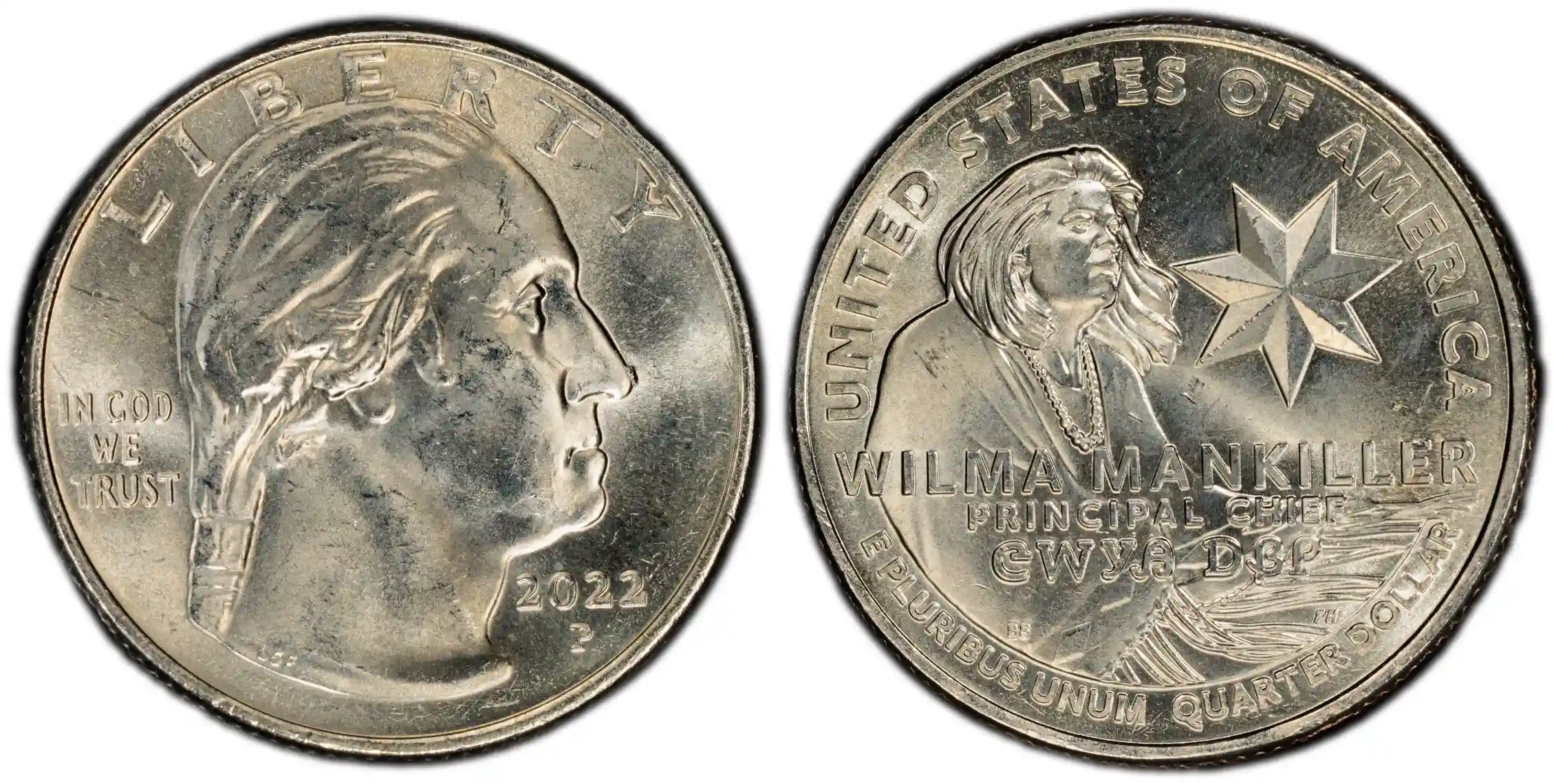
In Cod We Trust Quarter value range is $3–$150+ in the modern market. The high MS issues up to $450 or more on professional auctions.
In Cod We Trust Quarter Overview
Year | 2022-2023 |
Diameter | 24.26 mm |
Weight | 5.67 g |
Composition | 91.67 % Copper / 8.33 % Nickel |
Edge | Reeded |
The American Women Quarters Program debuted a uniform obverse design in 2022. This shared front face features the majestic portrait of George Washington by famed sculptor Laura Gardin Fraser.
Along the left field of the coin, the traditional American national motto reads normally as IN GOD WE TRUST, but on hundreds of thousands of coins, this phrase reads explicitly as IN COD WE TRUST.
Details of the "Cod" Error
To understand the value of these coins, you must first demystify how this specific text defect forms inside the United States Mint coin presses. This mistake does not represent a secret design choice by the artist, nor does it stem from a deliberate typographical error on the master hub. It is a classic mechanical striking flaw that occurs entirely during the high-speed physical production phase.
How Struck-Through Grease Alters Letters
The United States Mint utilizes massive hydraulic presses that stamp out hundreds of coins every single minute. These machines require heavy lubrication with industrial grease to prevent parts from seizing under immense pressure.
During long shifts, excess grease frequently breaks free from the mechanical joints. This lubricant mixes with tiny fragments of loose metal dust to form a dense, paste-like sludge.
As the planchets feed into the press, this sludge slides across the face of the steel die. The paste packs tightly into the tiny, curved recess that forms the letter "G" in the word "GOD."
When the die hits the next metal blank, the trapped sludge acts as a solid, unyielding barrier. The metal of the quarter cannot flow upward into the die cavity. The grease forces the metal to flatten out instead, which leaves a crisp, closed curve that reads perfectly as a letter "C."
Why the 2022-2023 Obverse Is Highly Susceptible
The choice of the Laura Gardin Fraser obverse design directly caused the massive influx of these errors. Fraser originally created this right-facing portrait of Washington for the 1932 quarter, though the government rejected it at the time. Her design features a high, thick profile with deep lettering carved at sharp right angles.
The vertical walls of the letters create tight pockets that act as natural debris traps.
The placement of the word "GOD" sits near the edge rim, where excess grease accumulates during die wipes.
The sheer depth of the letter "G" allows the sludge to pack into a dense plug that survives thousands of consecutive strikes before it disintegrates.
2022 In Cod We Trust Errors
The inaugural year of the program introduced collectors to the "Cod" anomaly. The public rushed to examine the first five distinct reverse designs that entered the money supply.
The Maya Angelou and Dr. Sally Ride Inception Errors
The Maya Angelou quarter launched the program in early 2022, followed closely by the Dr. Sally Ride release. Because these coins represented the first batch of new designs, the mint presses used brand-new obverse dies that initially kept their sharp details. As the grease began to migrate, the "Cod" error made its historic debut.
Early collector hype drove temporary price spikes for these two initial releases. People paid up to fifty dollars for raw change finds just to own the first confirmed examples of the error. Once the mint released millions more coins into circulation, the prices for standard-grade specimens stabilized, though pristine examples still hold excellent value.
Wilma Mankiller and Nina Otero-Warren Variants
As 2022 progressed, the mint rolled out the Wilma Mankiller and Nina Otero-Warren quarters. By this point, production teams had altered the pressure settings on some presses to combat die wear. This minor obverse metal shift altered the visual footprint of the grease fills.
On many Mankiller and Otero-Warren quarters, the grease did not completely fill the letter "G." Instead, it left a faint horizontal ghost line, which created a hybrid "C-G" letter form. Because these partial errors look less distinct to the naked eye, true, fully closed "Cod" variants from these mid-year runs remain much harder to find, which keeps their values steady among specialized error hunters.
2023 In Cod We Trust Errors
The second year of production saw an escalation in mint defects. High-volume production schedules to meet nationwide coin demand meant that dies ran for much longer periods before replacement.
The Jovita Idar Complex Error Pairing
The 2023 Jovita Idar quarter features an abstract reverse design that lists her accomplishments directly within the fabric lines of her dress. This design put immense stress on the coining presses. When the machinery struggled to execute the reverse text, the obverse side suffered grease blockages at the exact same time.
This intersection created a highly desired multi-error issue. Collectors discover the "Cod" error on the obverse paired with die cracks that run like raised wire through Idar's hair on the reverse. The presence of defects on both sides of a single coin instantly multiplies its numismatic desirability.
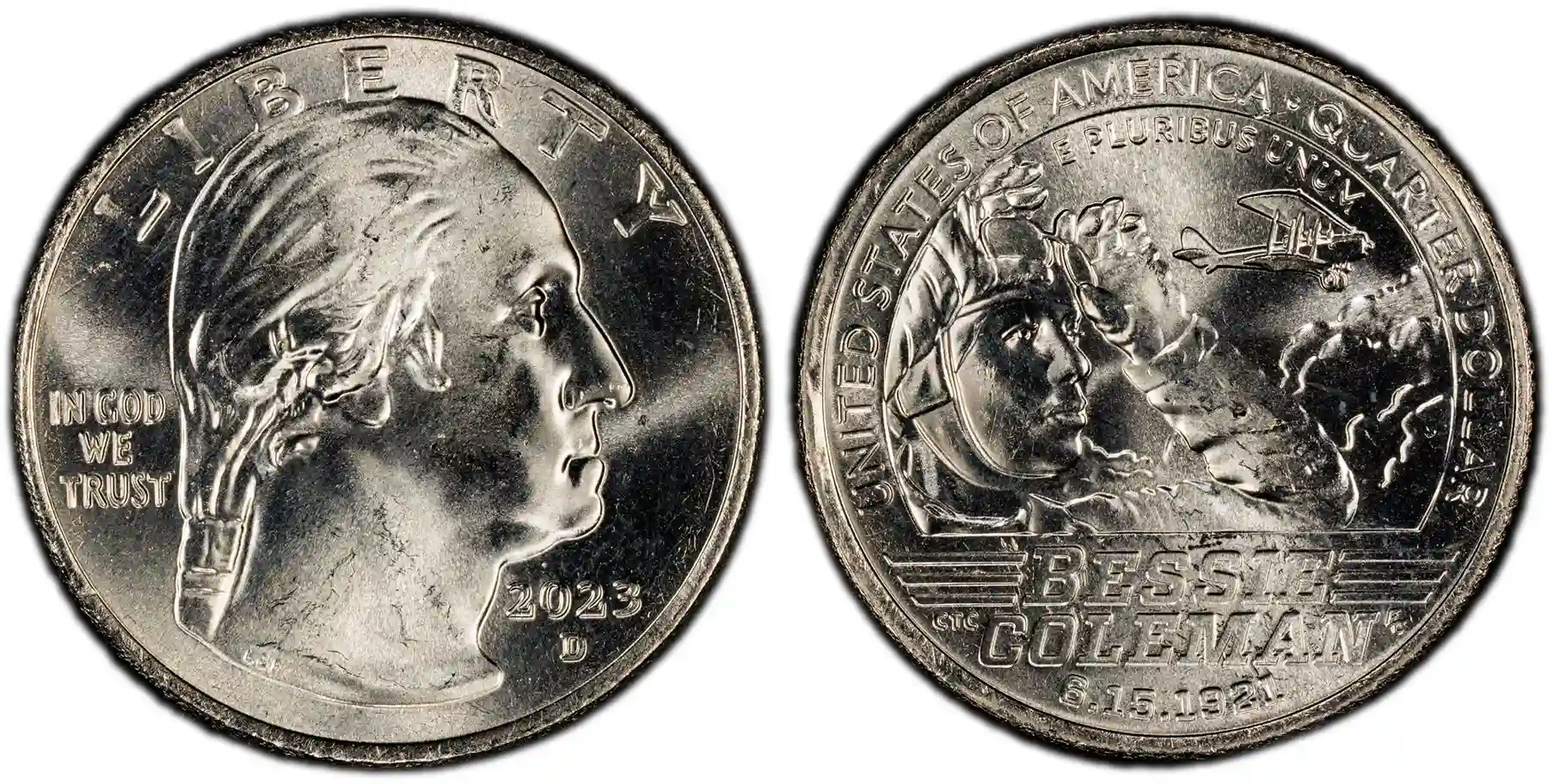
Bessie Coleman and Edith Kanakaʻole Variations
The Bessie Coleman and Edith Kanakaʻole quarters also yielded thousands of grease struck-through errors. On these allocations, the grease blockages often spread past the letter "G."
The entire phrase sometimes reads as "IN COD WE RUST" due to secondary blockages in the letter "T".
The letter "O" in "GOD" frequently fills completely, which creates a solid metal dot next to the "C".
The general sharpness of the remaining motto text degrades, which leaves a ghostly, soft appearance across the entire front inscription.
The Most Valuable Cod Quarter
The 2023 P Jovita Idar variant securely holds the top value spot in the current marketplace. This victory stems from pure thematic synergy. Collectors prefer text-based errors, and the Jovita Idar quarter is fundamentally a text coin on its reverse face.
When a collector finds a coin that features a prominent lettering defect on the front and a major structural failure amid the text on the back, they possess the ultimate representation of this production era. This double-sided appeal drives fierce bidding wars on online auction sites.
Quarter Value Chart
Item | Circulated | MS-65 | MS-67 |
2023 P Jovita Idar | $10.00–$15.00 | $45.00–$65.00 | $250–$450 |
2022 P Maya Angelou | $5.00–$8.00 | $25.00–$35.00 | $150–$225 |
2023 D Bessie Coleman | $4.00–$7.00 | $20.00–$30.00 | $110–$180 |
2022 D Wilma Mankiller | $3.00–$6.00 | $15.00–$25.00 | $95–$150 |
A certified Mint State 67 Jovita Idar quarter with a bold "Cod" error stands as a true rarity. At this grade level, the coin retains its pristine factory luster without a single distracting mark, making it a centerpiece for modern error collections.
Valuing and Authenticating Your Find
As prices for these modern errors climb, you must protect yourself from overpaying for weak anomalies or falling victim to artificial alterations. You need sharp analytical skills to evaluate your discoveries accurately.
The Weak G and Full C Value Gradient
A clear value gradient exists based entirely on the visual completeness of the error. You must examine the letter closely to determine where your coin sits on this spectrum.
The Weak G (Low Value) – the letter "G" appears slightly faint or thin, but you can still clearly see the horizontal crossbar. This represents a minor grease layer and carries almost no financial premium.
The Crescent Curve (Medium Value) – the crossbar vanishes completely, but the bottom loop of the letter looks soft and shallow.
The Full C (Maximum Value) – the grease pack was perfectly dense. The letter displays a bold, uniform, and deeply struck "C" shape that matches the exact visual weight of the surrounding letters. This crisp look commands the highest prices.